
Fiona Roberts, Julie Mullins, Jane Brodie, Phil Bainbridge
April 24, 2025
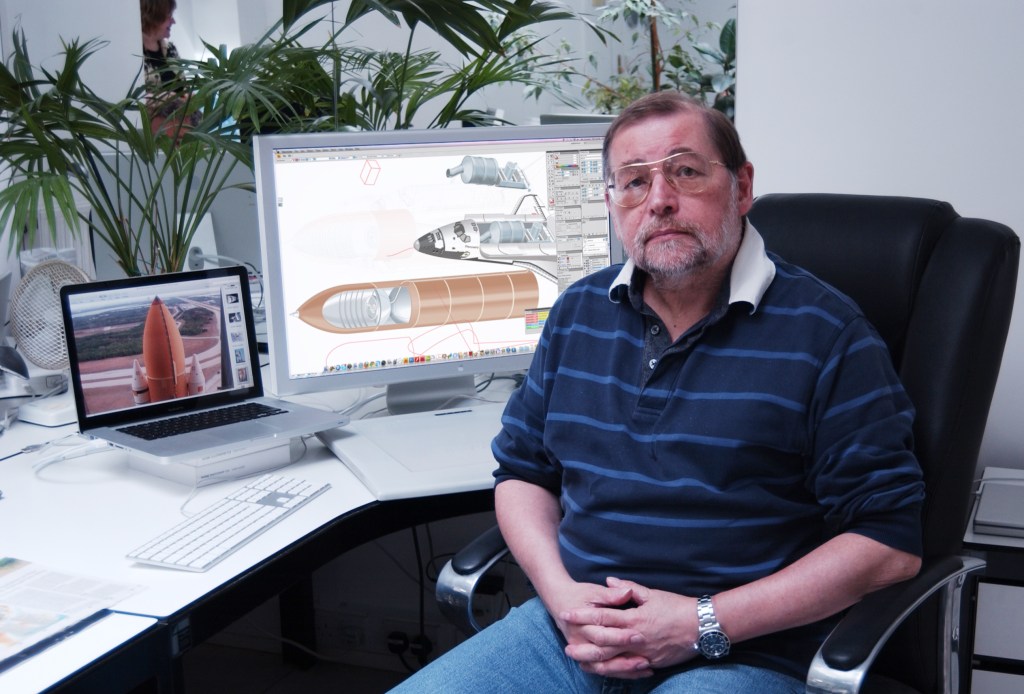
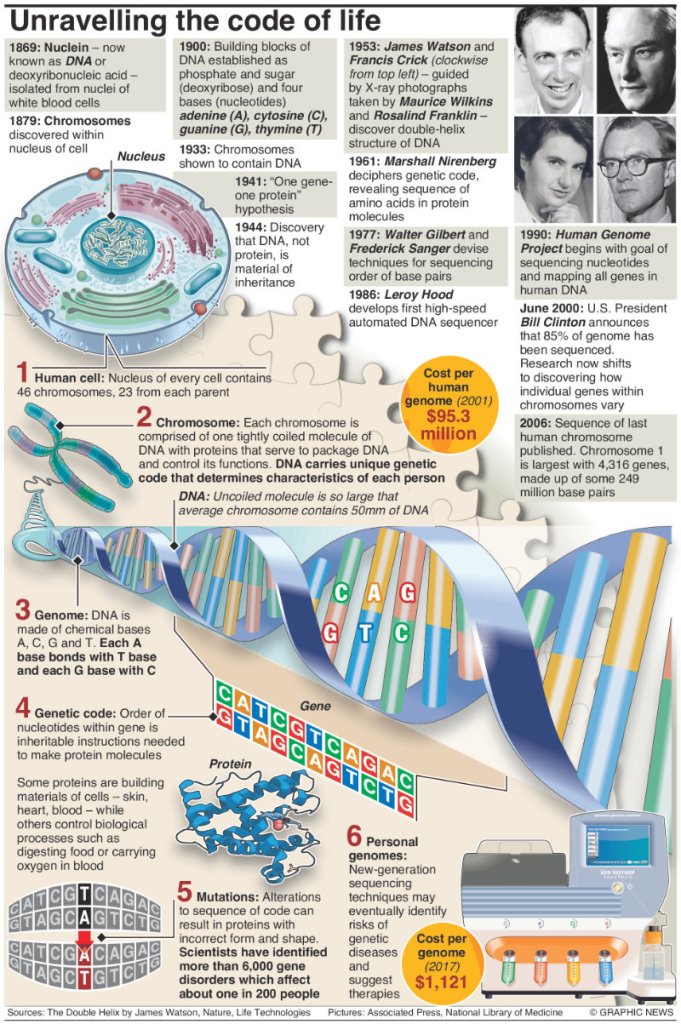
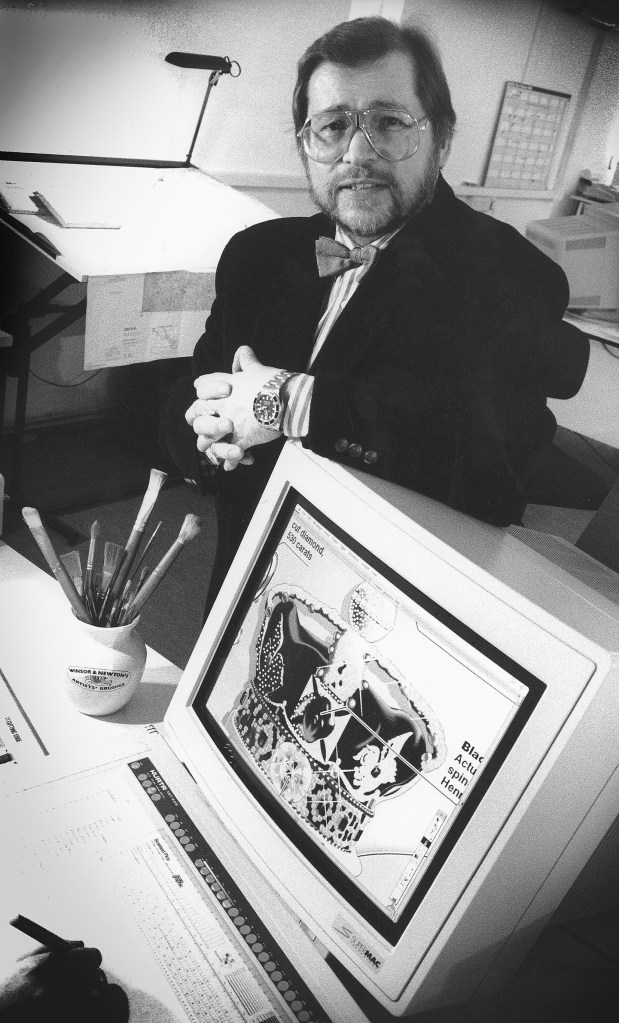
Duncan Mil, who died April 3, 2025 aged 78, was an unassuming hands-on graphic journalist. Alongside his team at Graphic News, the niche news agency he founded in 1991, he produced graphics on a daily basis for more than 30 years, continuing to work until shortly before his death.
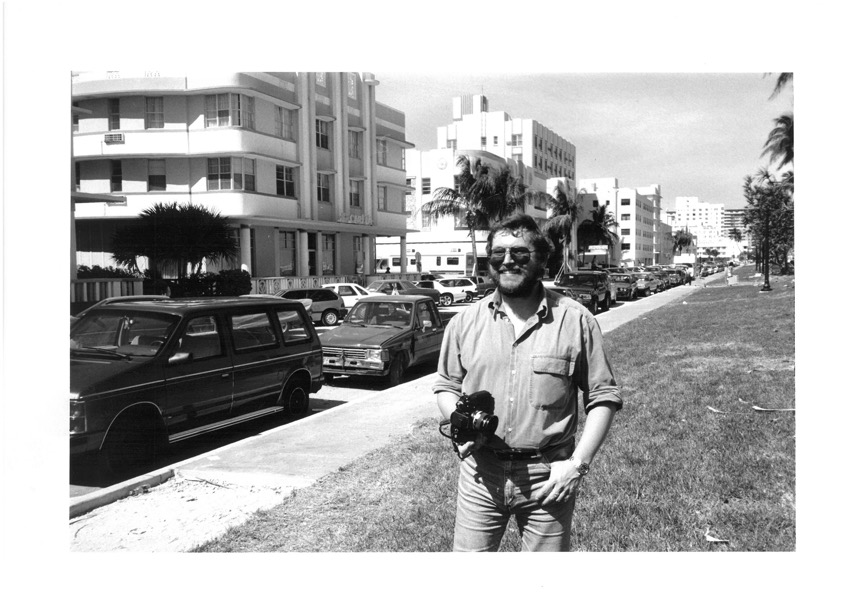
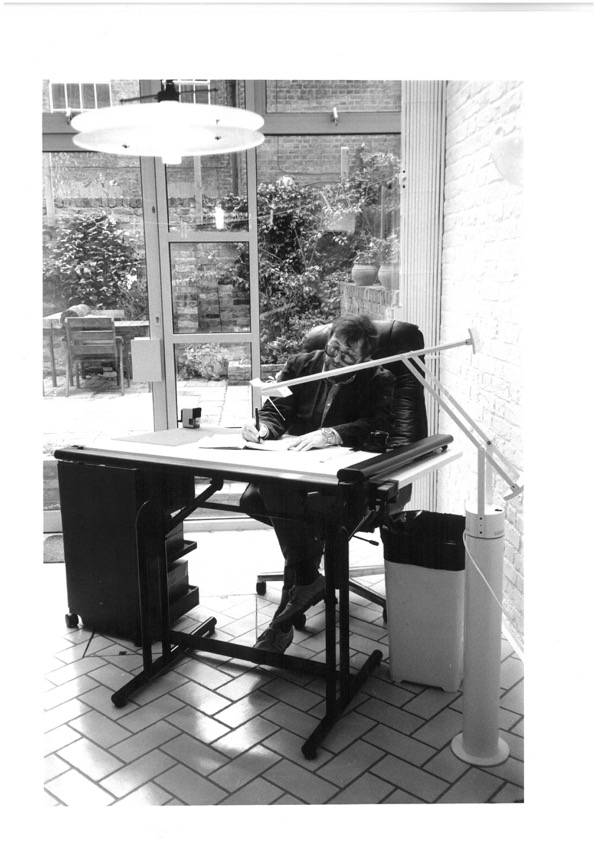
His passion for the news, and for explaining news topics visually and succinctly in the form of graphics, originated while working at The Sunday Times with Harry Evans and Peter Sullivan, and at the Daily Mail under David English. In 1988 he went to the Seoul Olympics for Reuters, becoming the first graphic journalist to cover such an event live and single-handedly producing a graphics package that convinced Reuters of the commercial viability of a graphics service, at a time when their picture service had still to prove its worth. In 1991 Duncan launched his own international graphics service, Graphic News, and despite dire warnings from many in the industry… Graphic News flourished.
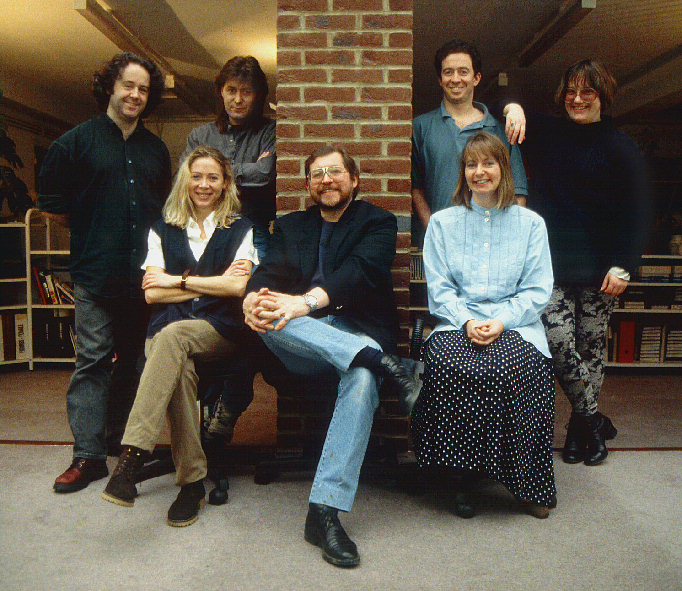
The service was designed not to replace graphic journalists in the newsroom but to support them. He made the extensive archive available for use as a resource – as a starting point for artists to create their own graphics. He encouraged them to take the graphics apart to see how they were constructed and, if asked, was always willing to share his secrets.
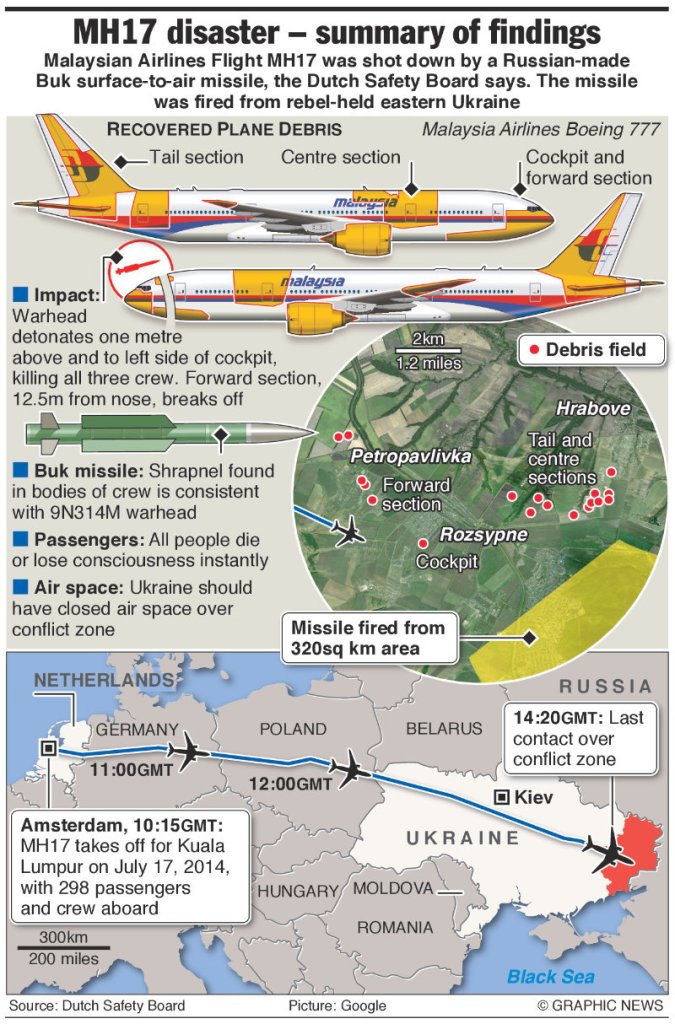
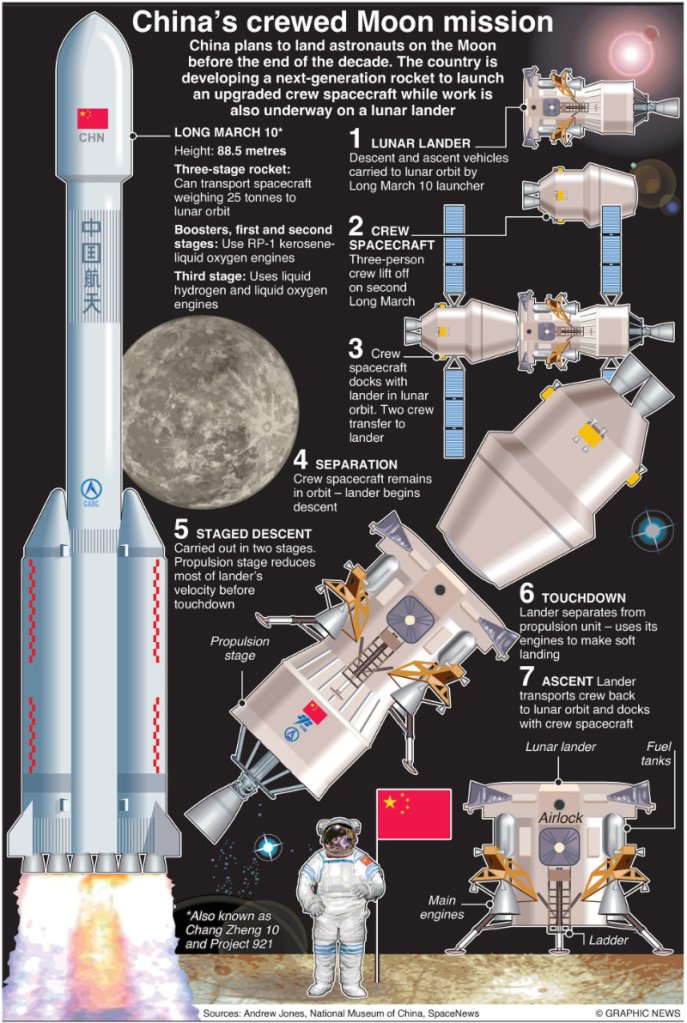
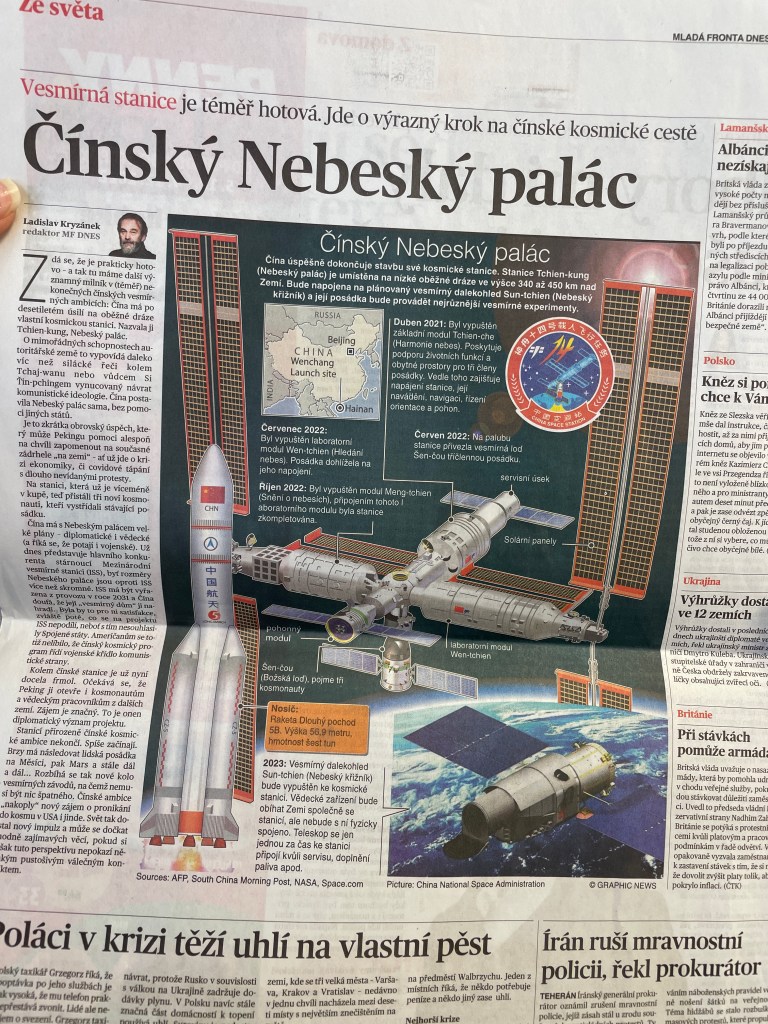
In its hey day Graphic News supplied over 900 newspapers, magazines and websites in over 90 countries, both rich and poor, large and small. Apart from a short period in which Graphic News supported the Thomson Regional Newspaper Group and the Northcliffe agency UK News, over 90% of the publications that supported Graphic News were based outside the UK.

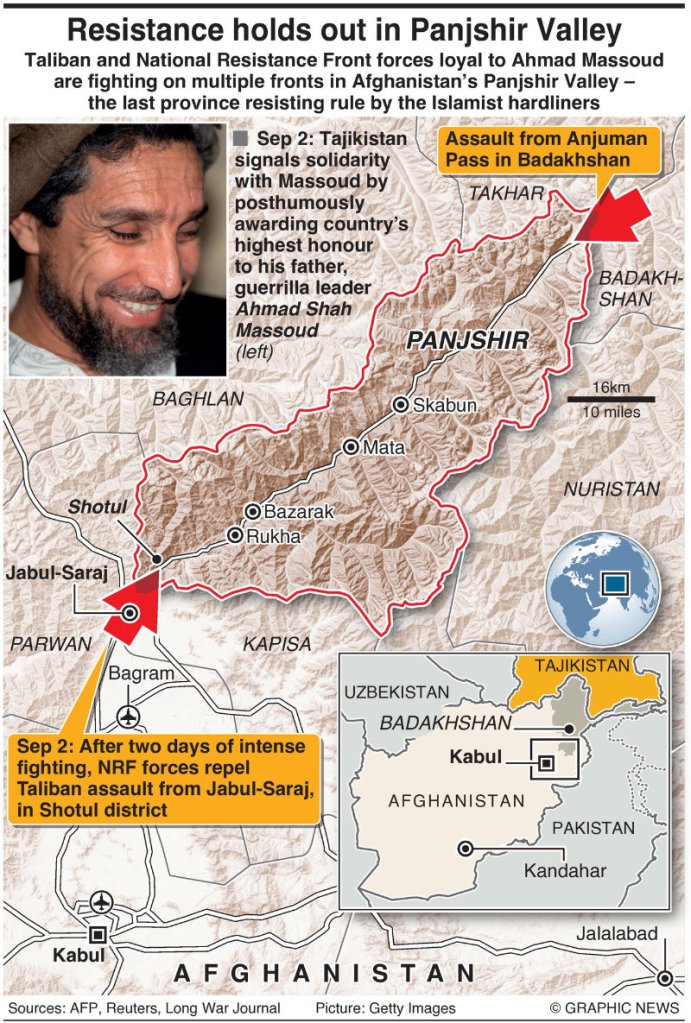
Highlights of his earlier career include covering the Falklands War for the Observer in 1982, and spending three months in Afghanistan in 1983, where he met the resistance leader Ahmad Shah Massoud. He also covered the 1984 bombing of the Grand Hotel in Brighton by the IRA, the King’s Cross fire in 1987, the First Gulf War in 1990 and – just as Graphic News started in 1991 – the wars that tore apart the former Yugoslavia. The realisation that no one person can take the world on their shoulders gave him the belief that he could, by making information available clearly, succinctly and visually, make a difference.
In recent months, knowing that he was dying, he said he had never expected to live to see his son grow up – he himself having been born in an era of “ban the bomb” marches and when students built nuclear fallout shelters in their gardens. He felt that everything had been a bonus.
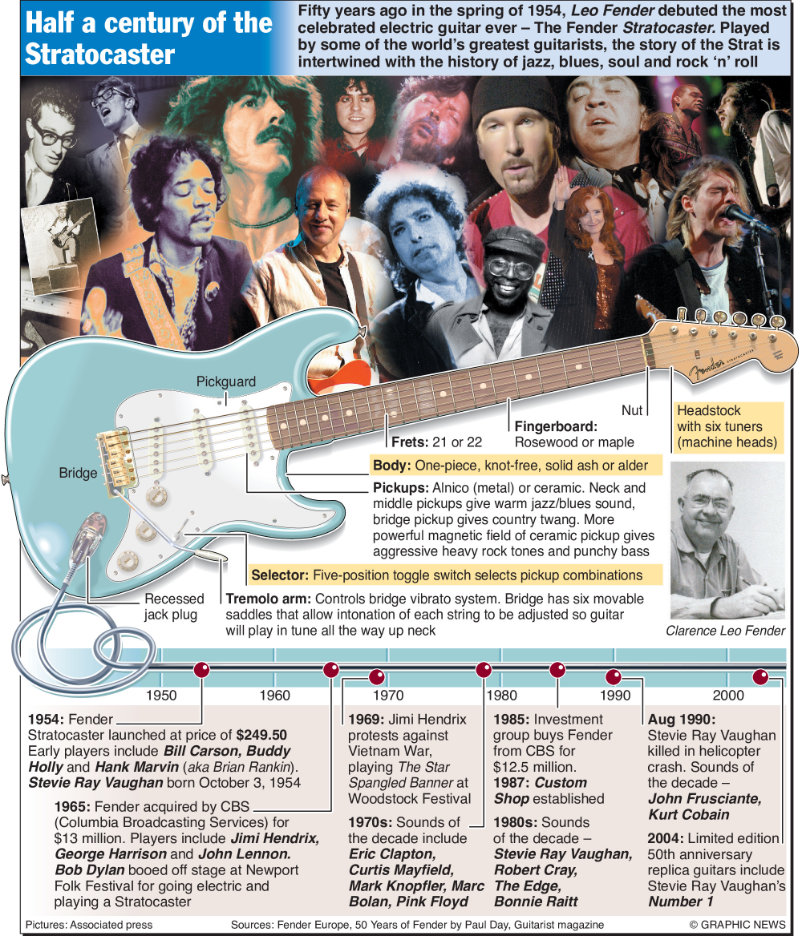
He said he had had an amazing life and wouldn’t have changed anything, although he did wonder what would have happened if, instead of going to art college, he had followed his love of music and accepted the recording contract the band he was then playing in was offered.
Duncan had an eye-opening introduction to the world when at the age of 8 he travelled around Africa in a merchant ship, stopping off at ports along the way, before spending a couple of years in Mauritius where his father was born. Seeing Table Mountain in Cape Town, swimming in the blue coral seas, eating mangoes picked from the trees, riding giant tortoises – what better education could anyone wish for.
He may not have received the personal recognition and international kudos he would have had had he not been so dedicated to Graphic News, but many benefited from his generosity – not only did he give many young artists a launchpad for their own careers, but he also insisted on leaving behind a unique historic archive of over 46,000 graphics covering the key international news over the last three decades – an enduring testament to his life’s work. A star still burning brightly.
The team at Graphic News Collective still strives to meet the same high standards set by Duncan, and continue his legacy.
 GRAPHIC NEWS
Leave a comment